
Projects
Artificial life through artificial intelligence?
Prof. Bernice Bovenkerk
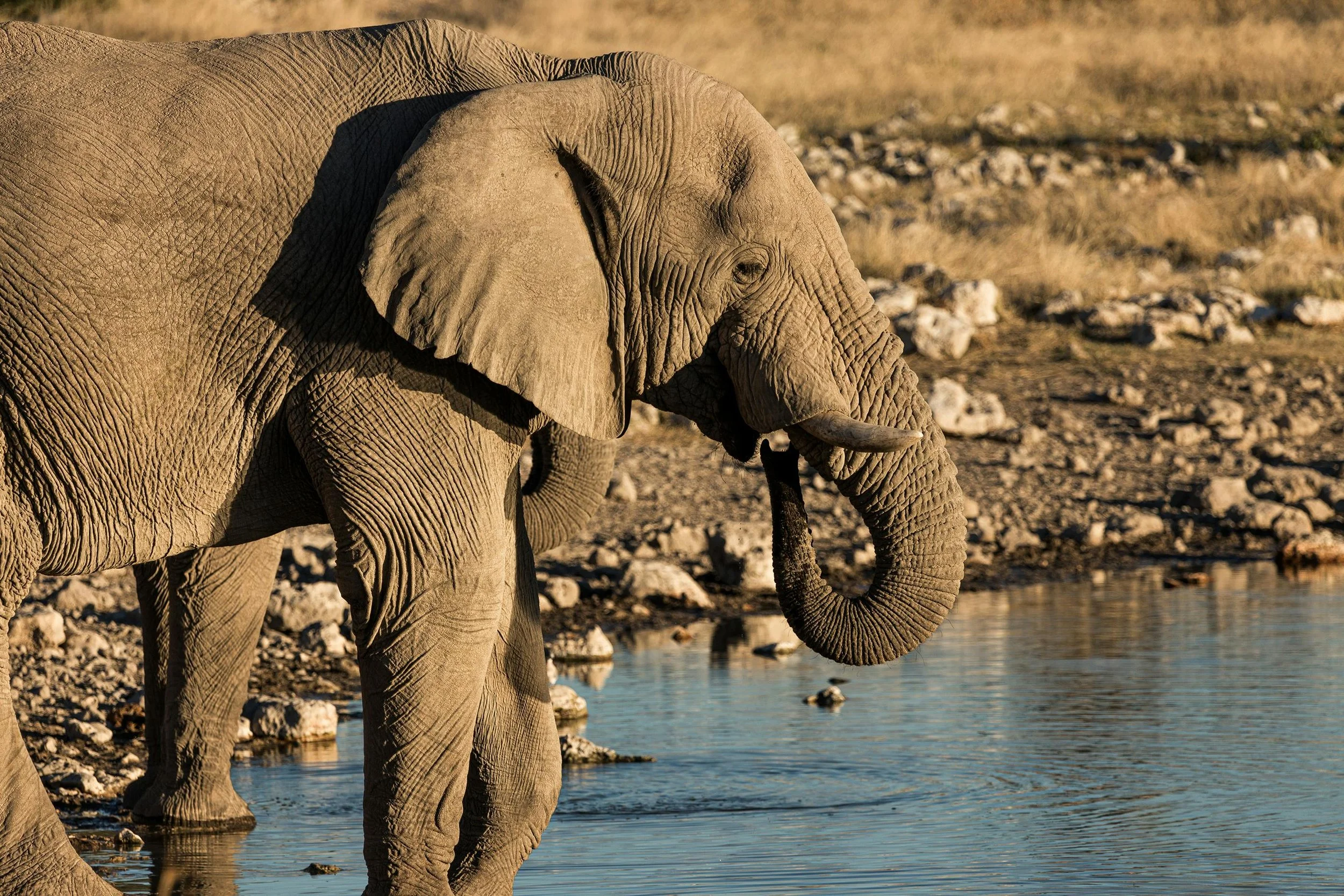
As we are currently facing the sixth mass extinction of species with an extinction rate of at least a thousand times higher than the normal background extinction rate, biodiversity conservation is more urgent than ever. A new combination of technologies used in biodiversity conservation is the synergy between AI and biotechnology. AI could fill in the gaps when genetic information is missing and tell us which genetic variants are most likely to produce the best adaptations to changing environmental pressures. An AI model could even ‘custom design’ DNA constructs, to be engineered into living organisms, and released into the environment. This could be used, for example, to engineer animal species that can better withstand hotter or drier climates. But is it desirable to take such an extreme engineering approach to conservation?
Before the AI/biotechnology synergy becomes widespread, it is important to address ethical, legal, and ontological questions. Its development seems to push the idea of the design of nature onto a whole other level. How should we understand the concept of life if it is artificially made, not by humans but by computers? How socially and conceptually disruptive will this technology be? Will it interfere with wild animals’ wildness? How will the employment of AI-driven synthetic biology change power relations? Will this technology lead to epistemic injustice? Epistemic injustice refers to the way in which unequal social, political, and institutional relations determine what is considered legitimate knowledge, and this often works to exclude marginalized groups from knowledge communities. With such a highly complex application of AI and biotechnology, more than ever knowledge will mean power and those who do not speak this technology’s language will be left behind. Moreover, when technologies converge, there will be many more uncertainties and risks that we need to deal with. Who is liable when a DNA construct made by AI causes harm to engineered animals or the environment?
The legal and jurisprudential dimensions of the impact of digital technology on human-animal relationships
Dr. Janneke Vink
Within the project The Promise and Perils of Digital Technology for Human-Animal Relationships, Vink focuses on the legal and jurisprudential dimensions of the impact of digital technology on human-animal relationships. Central to her work is the question of how the law can and should respond to the changing position of animals in an increasingly digitized environment. Among other things, she examines which legal structures are relevant to the development and application of digital technology in relation to animals, and in what ways these structures can contribute to, or instead create tension with, the protection of animal interests. She also explores how the existing legal framework, along with the underlying legal concepts and theories of law, may need to evolve or be reassessed in response to these technological developments.
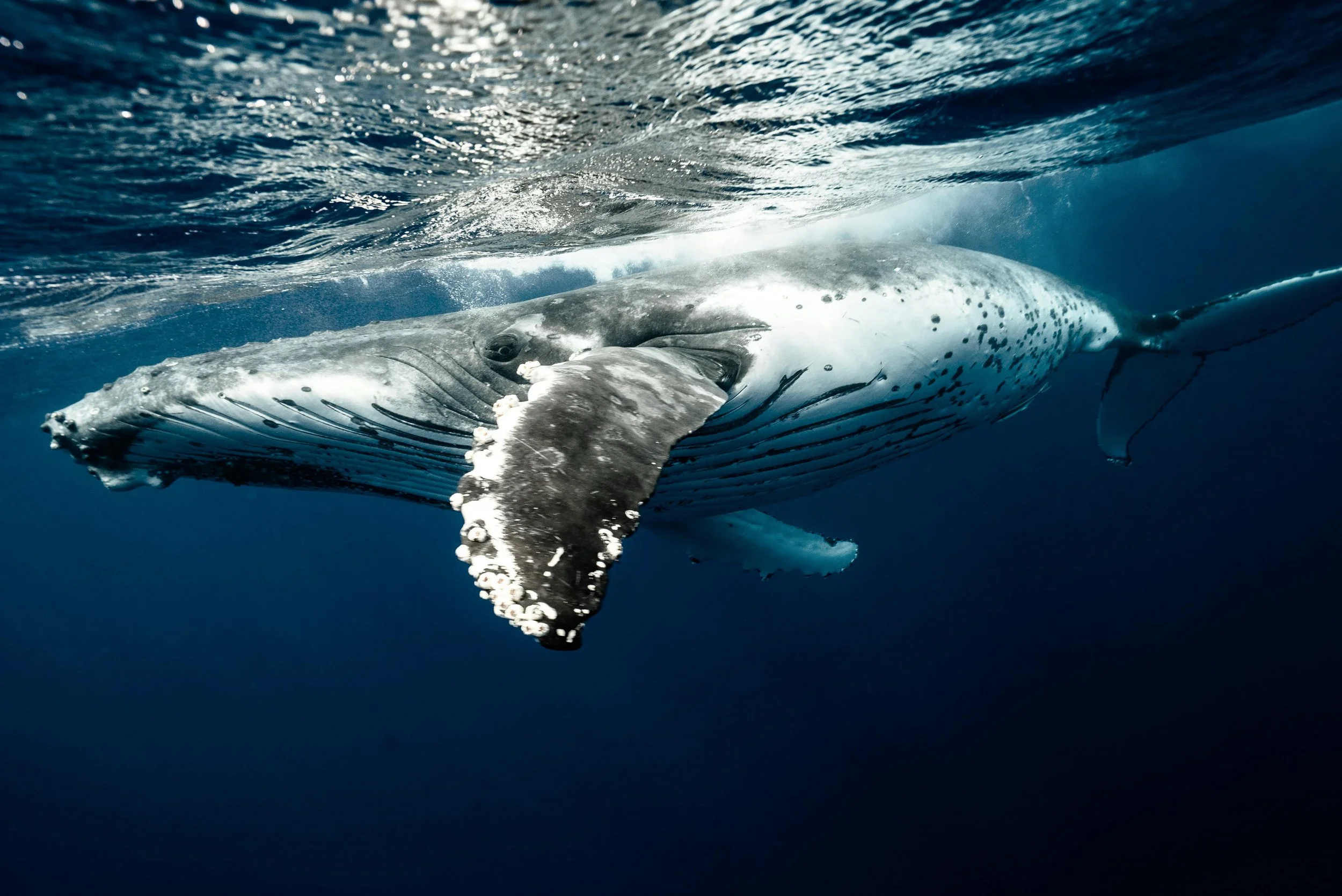
In this project, Kluskens researches initiatives developing AI to decode nonhuman animal communication. By using computational methods and robotic technologies, these projects try to identify patterns in the communication systems of other animal species and explore the meaning of their vocalizations. This technology is often developed with the mission to change human-animal relationships and transform human understanding and connectivity to the natural world. How will these social changes happen through this technology? An important part role in that process is how the technology development is represented and narrated in media. This project explores how audiovisual practices can complement technological approaches to changing the public’s awareness about the communication capacities and intelligences of other species in relation to the stated aim of these projects to transform human-animal relationships.
The responsible media representation of artificial intelligence for nonhuman animal communication
Caatje Kluskens
The promise and perils of precision livestock farming
The main field where digital technology has so far been applied to animals is in the management of livestock production. In this subproject we study the use of digital technologies in precision livestock farming (PLF), which is a form of so-called ‘smart farming’ using sensors, microphones, thermometers and other devices to monitor animal health and welfare at the farm in real-time. The aim of these monitoring tools is to improve animal production, better control reproduction, look after animal health and welfare, and minimize the impact of farming on the environment. While it is often presented as a win-win strategy, it has also been criticized for only counteracting problems that humans have created in the first place and for primarily enabling the upscaling of farms. Also, it has been criticized for estranging farmers from ‘their’ animals and for employing a narrow concept of animal welfare. In this project, we want to examine whether AI can be used more positively to monitor and improve welfare in a broader sense of the term, ultimately leading to ‘positive welfare’, and to more awareness of farm animals’ inner lives, creating greater empathy for them.